
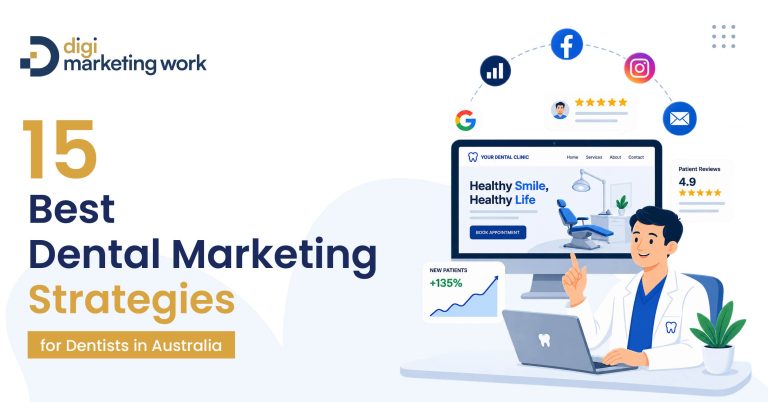
The right dental marketing strategies turn a good practice into a fully booked one. From local SEO and a conversion-focused website through to reviews, referrals, video, and Google Ads, this guide covers 15 practical strategies Melbourne and Australian dental practices can use to attract more of the right patients in 2026.
Jump to a strategy:
- Own “Dentist Near Me” Searches Before Competitors Do
- Turn Your Dental Website Into the Practice’s Best Patient Conversion Tool
- Build a Dental SEO Strategy Around the Questions Patients Ask
- Become the Dental Practice Patients Discover While Researching Answers
- Make Patient Reviews One of Your Strongest Trust Signals
- Turn Satisfied Patients Into a Sustainable Referral Engine
- Use Short-Form Video to Make Your Practice Familiar Before Patients Arrive
- Capture High-Intent Patients With Smarter Google Ads
- Stay Connected Between Appointments With Email and SMS Marketing
- Become a Recognised Dental Practice in Your Local Melbourne Community
- Create Seasonal Dental Campaigns That Give Patients a Reason to Act
- Use Technology as a Trust Signal Instead of Just a Convenience Feature
- Build Dental Marketing Around Trust, Not Just Visibility
- Connect Every Marketing Channel Into One Dental Growth Strategy
- Measure New Patients and Revenue Before You Decide What Marketing “Works”
Key Takeaways
- Local SEO and Google Business Profile visibility should be a first priority, most patients search by location.
- A dental website’s real job is converting visitors into booked appointments, not just ranking.
- Keyword strategy works best when it reflects real patient questions, not just treatment names.
- Content marketing captures patients before they’re ready to book.
- Genuine, consistent reviews are one of the strongest trust signals a practice has.
- Referrals from happy patients are a low-cost, high-trust growth channel.
- Short-form video reduces uncertainty before a patient ever steps into the practice.
- Google Ads work best when campaigns are split by patient intent, not run as one generic campaign.
- Email and SMS keep the practice top of mind between appointments, with consent front and centre.
- Marketing success should be measured by new patients and revenue, not likes or impressions.
1. Own “Dentist Near Me” Searches Before Competitors Do
Local SEO should be one of the first priorities for a dental practice because patients commonly use location-based searches when looking for a nearby dentist.
Optimise Your Google Business Profile for Local Discovery
- Accurate practice name, address, phone, and website
- Correct primary and secondary categories
- Services and treatment descriptions
- Opening hours and holiday hours
- Practice photos and videos
- Regular Google Business Profile updates
Build Location Relevance Around Nearby Suburbs
- Melbourne suburbs served
- Location-specific service pages
- Consistent local business information across every listing
- Avoiding unnatural location keyword stuffing
Create Content Around Local Patient Needs
- Emergency dentist searches
- Family dentistry
- Cosmetic dentistry
- Dental check-ups
- Suburb-specific questions
As one of the best SEO agencies in Melbourne, we believe that strong local visibility is the foundation every other dental marketing strategy builds on.
2. Turn Your Dental Website Into the Practice’s Best Patient Conversion Tool
A dental SEO agency should do more than rank in Google; it should quickly establish trust, answer patient questions, and make booking or contacting the practice easy.
Make the First Impression Count
- Professional design
- Clear value proposition
- Real practice photography
- Dentist and team introductions
Build Treatment Pages That Answer Patient Intent
- What the treatment is
- Who it’s for
- Benefits and considerations
- What patients can expect
- FAQs
- Clear next steps
Remove Friction From Appointment Booking
- Prominent phone number
- Online booking
- Contact forms
- Mobile-friendly navigation
- Emergency contact information
3. Build a Dental SEO Strategy Around the Questions Patients Ask
Keyword research becomes more valuable when it reflects the problems, concerns, and treatment questions patients search for before choosing a dentist. A well-planned digital marketing strategy for SEO covers far more than a handful of treatment names.
Target Different Stages of the Patient Journey
- Informational searches
- Treatment research
- Dentist comparison
- Appointment-ready searches
Develop a Dental Keyword Map
- General dentistry
- Emergency dentistry
- Cosmetic dentistry
- Preventive care
- Children’s dentistry
- Dental procedures
- Location-based searches
Strengthen On-Page SEO
- Search-focused titles
- Descriptive headings
- Internal links
- Relevant entities and terminology
- Image optimisation
- Structured content
Think Beyond Exact-Match Keywords
- Synonyms
- Related questions
- Conversational searches
- Long-tail queries
- Natural language used by patients
As a dentist digital marketing specialist in Melbourne, this is where Digi Marketing Work’s digital marketing strategy and planning genuinely pays off, ranking for what patients actually type, not just what a practice assumes they search for.
4. Become the Dental Practice Patients Discover While Researching Answers
Content marketing helps dental practices attract prospective patients before they’re ready to book an appointment.
Create Content Around Real Patient Questions
- “How often should I visit the dentist?”
- “What should I do if I chip a tooth?”
- “How long does teeth whitening last?”
- “What happens during a dental check-up?”
Use Multiple Content Formats
- Blog posts
- FAQs
- Videos
- Infographics
- Educational social posts
- Treatment explainers
Make Expertise Easy to Understand
- Avoid unnecessary technical language
- Explain procedures clearly
- Include professional insights
- Cite authoritative information where appropriate
Good content marketing for dentists doesn’t chase every possible topic; it builds a dentist local content marketing library around the questions your actual patients ask.
5. Make Patient Reviews One of Your Strongest Trust Signals
A consistent stream of genuine patient reviews can strengthen a dental practice’s online reputation and influence prospective patients researching providers.
Build Reviews Into the Patient Journey
- Ask at appropriate points after appointments
- Make the process easy
- Use compliant review-request methods
- Train staff on consistent processes
Respond Professionally to Feedback
- Thank patients for positive feedback
- Address concerns professionally
- Protect patient privacy
- Avoid revealing confidential information
Turn Positive Experiences Into Trust-Building Content
- Review themes
- Testimonials where appropriately consented
- Patient experience stories
- Website trust elements
6. Turn Satisfied Patients Into a Sustainable Referral Engine
Referral marketing can generate new patients through existing relationships and can be particularly valuable for practices building a local reputation.
Encourage Genuine Word-of-Mouth
- Deliver a consistently strong patient experience
- Make referrals easy
- Provide shareable practice information
Develop Ethical Patient Referral Programs
- Understand applicable Australian advertising requirements
- Avoid incentives that create misleading impressions
- Keep the focus on patient experience
Build Professional Referral Relationships
- General practitioners
- Allied health professionals
- Local healthcare networks
- Relevant professional relationships
7. Use Short-Form Video to Make Your Practice Familiar Before Patients Arrive
Video can help dental practices explain treatments, introduce staff, and reduce uncertainty for people who are considering an appointment.
Create Educational Dental Videos
- Treatment explainers
- Oral health tips
- Common dental questions
- Myth vs. fact content
Let Patients See the People Behind the Practice
- Dentist introductions
- Team introductions
- Practice culture
- Behind-the-scenes content
Use Instagram Reels and Stories Strategically
- Quick educational tips
- FAQs
- Practice updates
- Community content
- Appointment-related information
See how our Social Media team can help
8. Capture High-Intent Patients With Smarter Google Ads
Paid search can place a dental practice in front of people actively searching for specific treatments or urgent dental services.
Separate Campaigns by Patient Intent
- Emergency dentistry
- General dentistry
- Cosmetic treatments
- Specific procedures
- New-patient searches
Match Ads to Dedicated Landing Pages
- Relevant treatment information
- Local relevance
- Clear calls to action
- Mobile-first experience
Measure More Than Clicks
- Leads
- Calls
- Booking enquiries
- Appointment conversions
- Cost per new patient
The best dental marketing campaigns aren’t judged on clicks alone; they’re judged on booked patients.
9. Stay Connected Between Appointments With Email and SMS Marketing
Permission-based email and SMS communication can help practices maintain relationships, encourage appropriate follow-up, and keep the practice top of mind.
Use Email for Patient Education and Retention
- Oral health tips
- Practice news
- Educational resources
- Appointment-related communications
Use SMS Where It Adds Genuine Convenience
- Appointment reminders
- Follow-up communications
- Relevant patient communications
Keep Consent and Privacy at the Centre
- Obtain appropriate consent
- Respect opt-outs
- Keep messages relevant
- Follow Australian privacy and communication requirements
10. Become a Recognised Dental Practice in Your Local Melbourne Community
Community involvement can strengthen local awareness and create genuine connections beyond digital advertising.
Build Local Partnerships
- Schools
- Community organisations
- Local businesses
- Sporting groups
- Community events
Create Useful Local Content
- Local oral health initiatives
- Community participation
- Educational resources
- Practice involvement in Melbourne communities
Make Community Marketing Authentic
- Prioritise meaningful participation
- Avoid purely promotional activity
- Document initiatives responsibly
11. Create Seasonal Dental Campaigns That Give Patients a Reason to Act
Seasonal campaigns can make dental marketing more timely by connecting services and educational content with relevant periods or patient needs.
Build Campaigns Around Appropriate Dental Needs
- End-of-year appointments
- School holiday periods
- Oral health awareness initiatives
- Preventive care reminders
Combine Campaign Channels
- Google Ads
- SEO
- Social media
- Website landing pages
- Local content
Give Every Campaign One Clear Objective
- Generate new-patient enquiries
- Increase bookings
- Promote preventive care
- Re-engage existing patients
12. Use Technology as a Trust Signal Instead of Just a Convenience Feature
Modern digital tools like AI SEO can improve the patient experience and communicate that a practice is accessible, organised, and patient-focused.
Improve the Digital Booking Experience
- Online appointment requests
- Mobile-friendly forms
- Clear contact options
Make Important Information Easy to Find
- Services
- Fees or relevant pricing information where appropriate
- Payment information
- Practice location
- Accessibility information
- Emergency contact details
Explore AI Carefully in Dental Marketing
- Content ideation
- FAQ organisation
- Personalisation
- Administrative workflows
Important: AI-generated health information should be reviewed carefully by qualified professionals before publication.
13. Build Dental Marketing Around Trust, Not Just Visibility
The strongest dental marketing combines visibility with evidence of professionalism, expertise, patient experience, and transparency.
Show the Humans Behind the Brand
- Dentists
- Dental nurses
- Reception team
- Practice leadership
Demonstrate Expertise Through Useful Information
- Educational articles
- Treatment explanations
- Professional credentials
- Evidence-informed content
Keep Your Brand Consistent Everywhere
- Website
- Google Business Profile
- Social media
- Advertising
- Offline materials
14. Connect Every Marketing Channel Into One Dental Growth Strategy
A coordinated marketing system prevents SEO, advertising, social media, content, and reputation efforts from operating as disconnected activities.
Map the Patient Journey
Discover → Research → Compare → Contact → Book → Experience → Review → Return/Refer
Give Each Channel a Specific Job
| Channel | Primary Role |
| Local SEO | Local discovery |
| Website | Education and conversion |
| Content | Patient education |
| Google Ads | High-intent acquisition |
| Social media | Awareness and engagement |
| Reviews | Trust |
| Email/SMS | Retention and communication |
| Referrals | Word-of-mouth growth |
Build a Consistent Dental Practice Marketing Plan
- Goals
- Audience
- Channels
- Content
- Campaigns
- Budget
- KPIs
- Review cycle
A clear dental practice marketing plan ties every channel above back to one strategy, rather than 15 separate, disconnected tactics.
15. Measure New Patients and Revenue Before You Decide What Marketing “Works”
Marketing performance should ultimately be evaluated using meaningful business outcomes, not only impressions, followers, or website traffic.
Track the Metrics That Matter
- New patients per month
- Website traffic
- Qualified enquiries
- Phone calls
- Appointment conversions
- Cost per new patient
- Review ratings
- Returning patients
- Referral volume
Calculate Dental Marketing ROI
(Revenue from new patients − Marketing costs) ÷ Marketing costs
Attribution can be imperfect when patients interact with multiple channels before booking, so treat ROI as a strong guide, not an exact science.
Identify Which Channels Deserve More Investment
- SEO performance
- Paid search
- Referrals
- Social media
- Content
- Email/SMS
- Local marketing
What Dental Marketing Mistakes Can Stop a Practice From Growing?
- Relying on social media likes instead of patient enquiries
- Ignoring local search and Google Business Profile
- Publishing generic dental content
- Running ads without conversion tracking
- Letting the website become outdated
- Inconsistently asking for reviews
- Starting too many channels without a clear strategy
- Ignoring Australian dental advertising requirements
How Should a Melbourne Dental Practice Prioritise These Marketing Strategies?
Phase 1: Build the Foundation
Website, Google Business Profile, local SEO, reviews, tracking and analytics.
Phase 2: Build Demand
Content marketing, social media, video, referral marketing.
Phase 3: Accelerate Acquisition
Google Ads, campaign landing pages, retargeting where appropriate.
Phase 4: Improve Retention and ROI
Email/SMS, patient re-engagement, marketing performance analysis.
The Future of Digital Marketing for Dentists
- Personalisation: Content and offers tailored to where a patient is in their journey, not one-size-fits-all messaging.
- Video marketing: Continuing to grow as patients prefer to see and hear before they book.
- Artificial intelligence: Supporting content ideation, personalisation, and workflows, always with professional oversight of any health-related output.
Frequently Asked Questions About Dental Marketing Strategies
What are the most effective dental marketing strategies?
Local SEO, a conversion-focused website, genuine patient reviews, and targeted Google Ads consistently perform well, but the most effective approach connects these channels into one coordinated system rather than running them in isolation.
How long does dental SEO take to show results?
Local SEO improvements can begin showing early signs within a few months, but meaningful, compounding results typically build over 6 to 12 months, depending on competition and starting point.
Does social media marketing work for dentists?
Yes, primarily for awareness, trust-building, and engagement rather than as a direct booking channel. It works best alongside SEO and reviews, not as a replacement for them.
How can a new dentist attract patients?
New practices generally benefit most from prioritising Google Business Profile optimisation, local SEO, and a strong, conversion-ready website first, then layering in reviews, referrals, and paid search as the foundation matures.
How much should a dental practice spend on marketing?
This varies by practice size, competition, and growth goals. What matters more than a fixed percentage is ensuring spend is tracked back to new patients and revenue, so the practice knows what’s actually working.
What should a dental practice marketing plan include?
Clear goals, target audience, channel priorities, content plans, campaign calendar, budget, KPIs, and a regular review cycle to adjust based on performance.
How Digi Marketing Work Build a Dental Marketing System That Keeps Working While You Focus on Patients
Running 15 marketing strategies at once isn’t realistic for a busy practice, and it isn’t necessary. Digi Marketing Work builds a connected dental marketing system around your practice, so every channel supports the next:
- SEO that gets you noticed, so patients searching nearby find your practice first.
- Websites that convert, turning visits into booked appointments, not just traffic.
- Social media that engages, building familiarity and trust before the first visit.
- Reputation management that strengthens your brand through consistent, genuine reviews.
- AI SEO, keeping your practice visible as search continues to evolve.